Helping Your Cat on the FAS Spectrum: Fear, Anxiety and Stress
It’s a frustrating cycle for many cat owners: the constant scratching, licking, and over-grooming. But what if your cat’s itchy skin is more than just an allergy? What if it’s intertwined with their emotional state? This is the core of Feline Atopic Syndrome (FAS), a condition that lives at the intersection of physical discomfort and psychological distress. Understanding this connection is the first step toward providing comprehensive care that soothes both the skin and the mind.
Feline Atopic Syndrome is an allergic skin disease, similar to eczema in humans, where a cat has a genetic predisposition to develop hypersensitivities to environmental allergens. This is the physical side of the equation.
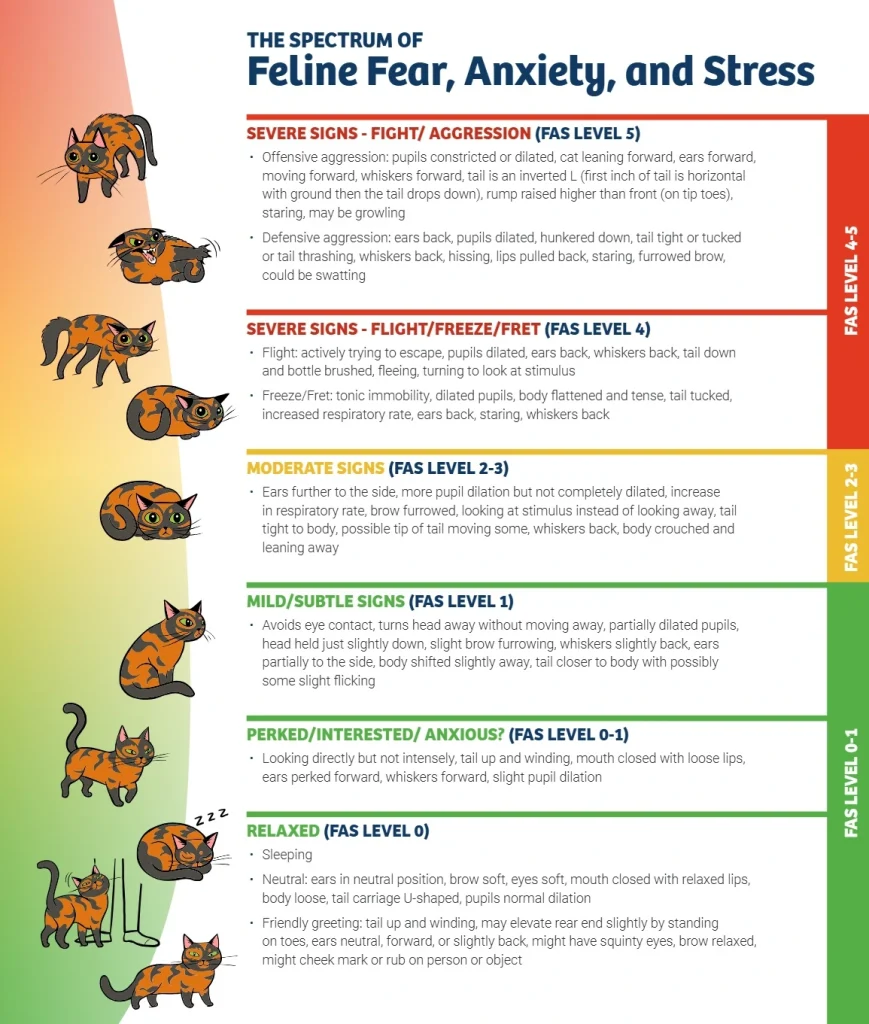
Complicating matters is another “FAS”, Fear, Anxiety, and Stress. This acronym represents the emotional spectrum a cat experiences. Every cat has a baseline FAS level, which can escalate due to stressors, including the chronic irritation of an atopic condition.
The persistent itch and inflammation from atopic syndrome are significant stressors. This constant discomfort raises a cat’s baseline level of fear, anxiety, and stress, creating a vicious cycle where physical irritation worsens emotional distress, and that stress, in turn, can intensify the allergic reaction.
To manage the resulting anxiety, we must first understand the underlying physical condition driving it. Feline Atopic Syndrome is a complex veterinary diagnosis that requires a targeted approach.
FAS is triggered by common environmental allergens such as dust mites, pollens, molds, and even other animal dander. When an atopic cat is exposed, their immune system overreacts, leading to widespread inflammation, primarily affecting the skin.
The most obvious signs are dermatological. You may notice excessive scratching, chewing, or licking, often leading to hair loss, sores, and skin infections. In fact, self-induced alopecia is observed in 60% of cats with this condition. Other signs include head and neck itching, small crusty bumps (miliary dermatitis), and red, plaque-like lesions.
Imagine having an unrelenting itch you can’t escape. This is the reality for an atopic cat. The constant physical distress puts their nervous system on high alert, making them more reactive to other potential stressors and lowering their overall threshold for coping with fear and anxiety. A cat in chronic discomfort will often communicate its distress through changes in behaviour. Understanding these signals is crucial for early intervention. An anxious, uncomfortable cat may become withdrawn, hiding more than usual. Others may exhibit irritability, aggression towards people or other pets, or changes in litter box habits. Some may develop separation anxiety, becoming overly dependent on their owners. Look for subtle cues. A cat experiencing stress may have a tense posture, a twitching tail, flattened ears, or dilated pupils. Recognising this body language allows you to de-escalate stressful situations before they worsen.
A proper diagnosis is the foundation of an effective management plan. This requires a strong partnership with your veterinary team.
Your veterinarian will perform thorough physical exams to assess the skin and rule out other causes of itching, such as fleas or infections. Be prepared to discuss your cat’s history, diet, and home environment.
After ruling out other conditions, veterinarians may recommend allergy testing (blood tests or intradermal skin testing) to identify specific environmental triggers. This helps tailor avoidance and treatment strategies.
A modern veterinary approach involves not only diagnosing the skin disease but also assessing the cat’s emotional state. Your vet will observe the cat’s behavior and ask questions to understand their baseline FAS level, which informs a more holistic treatment plan.
Effective management requires a multimodal approach that addresses both the allergic reaction and the associated anxiety.
Your veterinarian may prescribe medications to control itching and inflammation, such as corticosteroids, cyclosporine, or newer targeted therapies. Antihistamines and fatty acid supplements may also be part of the treatments. Reducing environmental stressors is key. Provide hiding spots, vertical spaces, and predictable routines. Use interactive toys to offer positive mental stimulation.
Work on positive reinforcement and create positive associations with handling. Never punish a cat for anxiety-related behaviours. The goal is to build their confidence and sense of security.
Several tools can supplement your management plan, helping to create a calmer state of mind for your cat. Certain supplements containing ingredients like L-theanine or tryptophan may help promote a sense of calm. Always consult your veterinarian before starting any new supplement.
For cats with severe anxiety, your veterinarian may prescribe anti-anxiety medications. These can be instrumental in breaking the cycle of stress and allowing behavioral modification techniques to be more effective.
Veterinary visits are often a major source of stress. A proactive approach can make these essential trips more manageable.
Many veterinary clinics are now Fear Free certified, meaning they use specific techniques to reduce fear, anxiety, and stress during visits. Seek out these professionals to ensure a better experience.
Help your cat acclimate to their carrier by leaving it out with comfy bedding and treats inside. Your vet may also prescribe pre-visit medications or recommend sedation for profoundly anxious cats.
Your veterinary team should use a gentle, patient approach, minimizing restraint and observing your cat’s body language.
Once home, give your cat space to decompress in a quiet, safe area.
Managing FAS is a marathon, not a sprint. Consistent veterinary care and at-home management are crucial for long-term well-being. If your cat’s condition is not improving, your veterinarian may refer you to a veterinary dermatologist or behaviourist for specialised care.
Helping a cat on the FAS spectrum requires a dual-pronged strategy that targets both itchy skin and an anxious mind. By working closely with your veterinary team to implement a plan that includes medical treatments, environmental enrichment, and a low-stress approach, you can break the cycle of discomfort and distress. Your patience and understanding are the most powerful tools in helping your cat achieve a more comfortable, peaceful life.