
Polycystic Kidney Disease in British Shorthairs
The British Shorthair, with its plush coat, round face, and calm demeanour, is a cherished companion in countless homes. Known for their gentle and easygoing nature, these cats are a picture of robust health. However, under this strong exterior, there is a genetic weakness to a serious inherited condition called Polycystic Kidney Disease (PKD). For owners of this beloved breed, understanding PKD is not just a matter of curiosity it is a crucial component of responsible and proactive pet care.
British Shorthairs are at high risk of Polycystic Kidney Disease (PKD), a condition that can remain silent for years before manifesting as serious kidney disease. This hidden threat makes awareness and early detection paramount for every owner.
This guide is designed to empower British Shorthair owners with clear, concise, and actionable information. We will delve into what Polycystic Kidney Disease is, why this specific breed is predisposed, and the signs to watch for. We will cover the diagnostic process from ultrasound exams to genetic testing, and explore management strategies to help an affected cat live a comfortable, high-quality life. Finally, we will discuss the vital role of responsible breeding in preventing the spread of this disease for future generations.
Polycystic Kidney Disease is an inherited, progressive condition that directly impacts the structure and function of the kidneys. It is one of the most common genetic diseases found in cats, and understanding its mechanics is the first step toward effective management. This form of feline PKD Disease is a significant health concern for predisposed breeds.
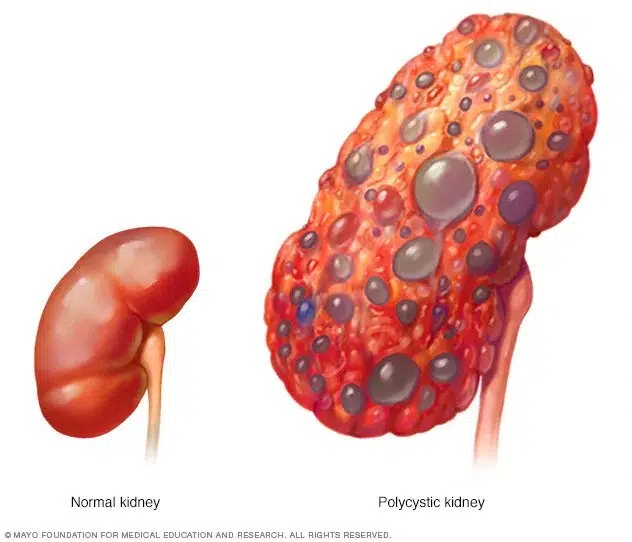
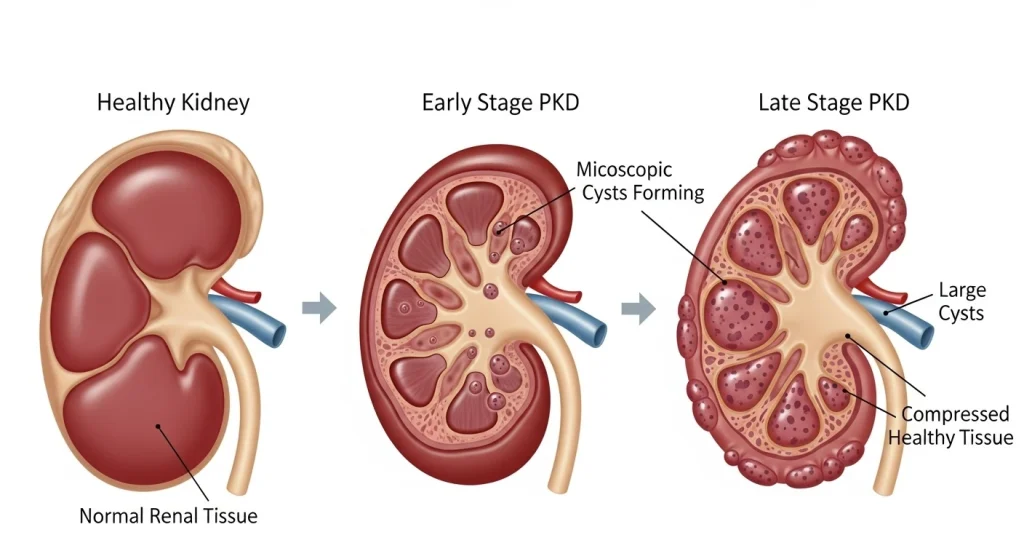
PKD is a progressive disease. Over a cat’s lifetime, microscopic cysts present at birth grow larger and multiply, gradually destroying healthy kidney tissue and leading to kidney failure.
At its core, PKD is characterised by the formation of multiple fluid-filled sacs, known as renal cysts, within the kidney tissue (renal parenchyma). An affected cat is born with these microscopic cysts, which are essentially small, abnormal pockets formed from the lining of kidney tubules. Over time, these cysts slowly grow in size and number, gradually compressing, displacing, and eventually destroying healthy renal tissue. The kidneys, which are vital for filtering waste from the blood, lose their ability to function effectively as the cysts expand. This progressive damage ultimately leads to chronic renal failure and, if unmanaged, can culminate in kidney failure.
The primary cause of this hereditary condition in cats is a specific gene abnormality—a mutation in a gene known as PKD1. This disease is inherited in an autosomal dominant pattern, meaning a cat only needs to inherit one copy of the faulty gene from a single parent to be affected. If a cat with this germ line mutation is bred, there is a 50% chance of passing the PKD1 gene on to each of its kittens. This dominant mode of inheritance is why the disease can spread so quickly through a breed’s lineage without careful genetic screening and why a genetic test is such a powerful tool for breeders.
PKD can occur in any cat, its prevalence is notably higher in certain pedigreed breeds. The British Shorthair’s susceptibility is a direct result of its genetic history and the breeds used in its development, which introduced this specific gene abnormality into their lineage.
The PKD1 gene mutation is believed to have originated in Persian cats and was subsequently passed to other breeds through outcrossing. This includes breeds like the British Shorthairs, Exotic Shorthair, Himalayan cats, and Scottish Fold. The historic use of Persian and other Long haired Cats to develop the modern British Shorthair’s signature dense coat and stocky build introduced the defective gene into its bloodline. Thankfully, due to the widespread availability of genetic testing, responsible breeding has made a significant impact. For example, the frequency of the PKD1 variant in British Shorthairs decreased from 0.99% in 2019 to 0.71% in 2022.
The progression of PKD is insidious and highly variable. Affected animals are born with tiny cysts that are often too small to detect. For many years, the cat will appear completely healthy as the kidneys compensate for the gradual loss of function. The cysts enlarge at different rates in each cat, but symptoms of kidney disease typically do not appear until middle age, often around seven years old, though it can be earlier or later. By the time clinical signs are evident, a significant amount of kidney function often over 70% has already been lost, leading to the onset of progressive kidney failure.
Early detection is critical for managing PKD and slowing the progression of kidney disease. As an owner, you are in the best position to notice subtle changes in your cat’s behaviour and health that may signal the onset of a problem.
In the initial stages, the signs of kidney stress are often mild and easy to overlook. Be vigilant for the following changes in your cat:
Increased Thirst (Polydipsia): You might notice your cat visiting the water bowl more frequently or for longer periods. This is the body’s attempt to flush out the toxins that are beginning to build up.
Increased Urination (Polyuria): This often accompanies increased thirst. You may find yourself cleaning the litter box more often, or the urine clumps may be larger than usual. The kidneys are losing their ability to concentrate urine.
Subtle Weight Loss: A gradual, unexplained decrease in weight can be an early indicator of muscle loss and metabolic changes.
Decreased Appetite: Your cat may show less interest in food or become pickier as nausea begins to set in.
If you observe these signs, begin monitoring your cat’s water intake and weight, and schedule a veterinary appointment.
As the renal cysts grow and kidney function declines further, the symptoms become more pronounced and severe. These signs indicate that the body is struggling to cope with the build-up of toxins that the kidneys can no longer filter effectively. Look for:
Lethargy and depression
Significant weight loss and muscle wasting
Poor coat quality (dull, unkempt fur)
Vomiting and nausea
Systemic hypertension (high blood pressure), which can cause sudden blindness
Bad breath with a chemical or ammonia-like odour
Mouth ulcers or pale gums due to anaemia
Any of the signs listed above warrant an immediate visit to your veterinary surgeon. Kidney disease is a serious condition, and delaying diagnosis can negatively impact the prognosis. It is far better to have a check-up and find nothing wrong than to wait until the disease has reached an advanced stage and kidney failure is imminent.
If PKD is suspected in your British Shorthair, your veterinarian will recommend specific tests to confirm the diagnosis. Modern diagnostics are highly accurate and can identify the disease long before clinical signs appear.
An abdominal ultrasound scan is the most reliable imaging method for diagnosing PKD. This non-invasive procedure, often referred to as ultrasound scanning, allows a veterinarian to visualise the kidneys and identify the presence of cysts. In the hands of an experienced professional, an ultrasound examination can detect renal cysts in affected cats as early as 6 to 10 months of age with high accuracy. This ultrasound screening confirms the physical presence of the disease, providing a definitive diagnosis of the structural changes in the kidney.
For a definitive genetic diagnosis, especially for breeding cats or those with an ambiguous ultrasound, genetic testing is the best option. This simple genetic test identifies the PKD1 gene mutation directly. It can be performed at any age, even in young kittens. The process involves collecting a DNA sample, typically through a painless cheek swab or a small blood sample. The sample is sent to a laboratory, which uses methods like a PCR-based pyro sequencing assay for analysis. A positive result confirms the cat carries the gene for PKD and will develop the disease.
In addition to an ultrasound scan and genetic test, your veterinarian will likely run a Blood Chemistry panel, a Complete Blood Count (CBC), and urine tests. These diagnostics do not detect PKD itself but are crucial for assessing kidney function. They measure levels of waste products like creatinine and blood urea nitrogen (BUN), check for electrolyte abnormalities, and assess urine concentration. These results, obtained from a blood sample and urine collection, help determine the stage of chronic renal failure and guide the management plan for an affected cat.
There is no cure for Polycystic Kidney Disease. However, you can manage the condition, slow its progress, and help your British Shorthair have a good quality of life. The goal of treatment is to support the remaining kidney function and manage the symptoms of kidney disease.
Nutrition is a cornerstone of managing kidney disease. Your veterinarian will probably suggest a special kidney diet. These prescription diets are specially formulated with:
Reduced, High-Quality Protein: This minimizes the production of nitrogenous waste products, reducing the workload on the kidneys.
Restricted Phosphorus: Limiting phosphorus intake is one of the most effective ways to slow the progression of kidney disease.
Enhanced Omega-3 Fatty Acids: These have anti-inflammatory properties that can benefit kidney health and aid in proteinuria reduction.
Added Antioxidants: To help combat oxidative stress on the renal cells.
Diet control is paramount for managing this condition effectively.
Cats with kidney disease struggle to conserve water, making them prone to dehydration. Encouraging water intake is vital. Provide multiple fresh water sources, consider a pet water fountain, and incorporate wet food into the diet. In advanced stages, your veterinarian may suggest subcutaneous fluid therapy. This means giving fluids under the skin at home to keep your cat hydrated, which can dramatically improve their feeling of well-being.
Various medications can help manage the complications of kidney disease and chronic renal failure. These may include:
Phosphate Binders: To help control phosphorus levels in the blood if diet alone is not enough.
Blood Pressure Medications: High blood pressure (systemic hypertension) is a common and damaging consequence of kidney disease that must be controlled.
Appetite Stimulants and Anti-Nausea Drugs: To combat poor appetite and vomiting.
Potassium Supplements: To correct low potassium levels, which can cause muscle weakness.
Antibiotics: To treat a bacterial cyst infection or an infected renal cyst, which can be a serious and painful complication.
A calm and predictable environment can help a cat with a chronic illness feel more secure. Ensure easy access to food, water, and litter boxes, especially if mobility becomes an issue. Provide comfortable, warm resting places and maintain a consistent daily routine to minimize stress, which can negatively impact a cat’s health.
Cats with PKD require regular check-ups, typically every 3 to 6 months, to monitor their condition. These visits will involve physical exams, weight checks, blood pressure measurement, and analysis of a blood sample and urine. This monitoring allows your veterinary surgeon to track the progression of the disease and adjust the treatment plan as needed, ensuring your cat receives the best possible care.
A diagnosis of PKD can be distressing, but it is not an immediate death sentence. With proactive management and dedicated care, many affected cats can live happy, comfortable lives for many years after their diagnosis.
The rate at which PKD progresses varies significantly between individual cats. Some may develop advanced kidney failure by age 4, while others may not show significant signs until they are over 10 years old. The size and number of cysts, along with how quickly they grow, influence this timeline. Early diagnosis and consistent management are the most effective tools for slowing this progression from early kidney disease to end-stage chronic renal failure.
The ultimate goal of management is to prioritize your cat’s quality of life. By controlling symptoms like nausea and dehydration and providing excellent nutritional and medical support, you can ensure your British Shorthair feels well. You should communicate regularly with your veterinarian. This helps you make informed care decisions and keep your cat comfortable during every stage of the disease.
The most powerful tool against PKD is prevention. Because it is a simple dominant genetic disorder, breeders can remove it from their lines by using responsible practices. This is the key to protecting the future of the British Shorthairs breed.
All British Shorthairs intended for breeding should undergo genetic testing for the PKD1 gene. A simple DNA gene test can definitively identify cats that carry the mutation. Only cats that test negative (clear) for the gene should be used in a breeding program. This single step prevents the gene from being passed to offspring, effectively stopping the disease in its tracks for future generations of these wonderful cats.
If you are considering adding a British Shorthair kitten to your family, do your research and choose a reputable breeder. A responsible breeder will be honest about their cats’ health. They will provide documents showing both parent cats tested negative for the PKD1 mutation. Asking for these results is a standard and necessary part of ensuring you are getting a healthy kitten and supporting ethical breeding practices. Be wary of breeders who cannot provide this documentation or who are evasive; this is a critical safeguard for the health of your future pet.
Polycystic Kidney Disease is a serious health problem for British Shorthairs. But it is manageable and, most importantly, preventable. Current owners need to understand the disease and recognize early signs. They should work with a veterinarian on a management plan to help their cat live a long and comfortable life. For prospective owners and breeders, the path forward is clear: universal genetic testing is essential to protect the future health and integrity of this cherished breed. Through informed ownership and responsible breeding, we can ensure the British Shorthair’s gentle spirit continues to thrive, free from the shadow of this inherited disease.
