
Grooming & Maintenance for BSH Cats: Essential Care for a Pure-Bred Shorthair
The British Shorthair, with its plush coat, rounded face, and dignified personality, is an icon of the feline world. As the most popular pedigree cat breed in the UK, this beloved cat breed has found its way into countless homes. While their calm demeanour suggests a low-maintenance companion, providing the right grooming and care is essential to ensure they live a long, healthy, and comfortable life. This guide offers a comprehensive overview for owners on maintaining their pure-bred Shorthair, transforming routine care into a cornerstone of their cat’s well-being and strengthening the bond you share.
The British Shorthair’s signature dense coat, while short, requires more attention than one might assume. Regular grooming is not merely about aesthetics; it’s a fundamental aspect of preventative health care. It helps manage shedding, prevents uncomfortable skin conditions, and allows you to spot potential health problems early.
A holistic maintenance routine for a British Shorthair encompasses several key areas. Consistent brushing of their unique coat is paramount, alongside regular nail trimming, ear cleaning, and crucial dental hygiene. This grooming schedule is complemented by a balanced diet tailored to their needs and proactive health monitoring, both at home and through regular visits to a trusted veterinarian.
Living in the UK presents specific environmental factors that influence your BSH’s grooming needs. The temperate, often damp climate can affect their skin and shedding cycles. Mild winters may lead to less distinct seasonal sheds, requiring year-round vigilance. Fortunately, owners have access to a wide range of high-quality cat food, grooming supplies, and expert veterinary services to support their cat’s health.
The BSH coat is arguably its most defining feature. Understanding its structure is the first step toward providing effective care. This is not the sleek, single-layer coat of many other short-haired breeds; it is a complex, functional feature that requires specific attention.
The Dense Double Coat Explained: Insulation, Protection, and Grooming Implications
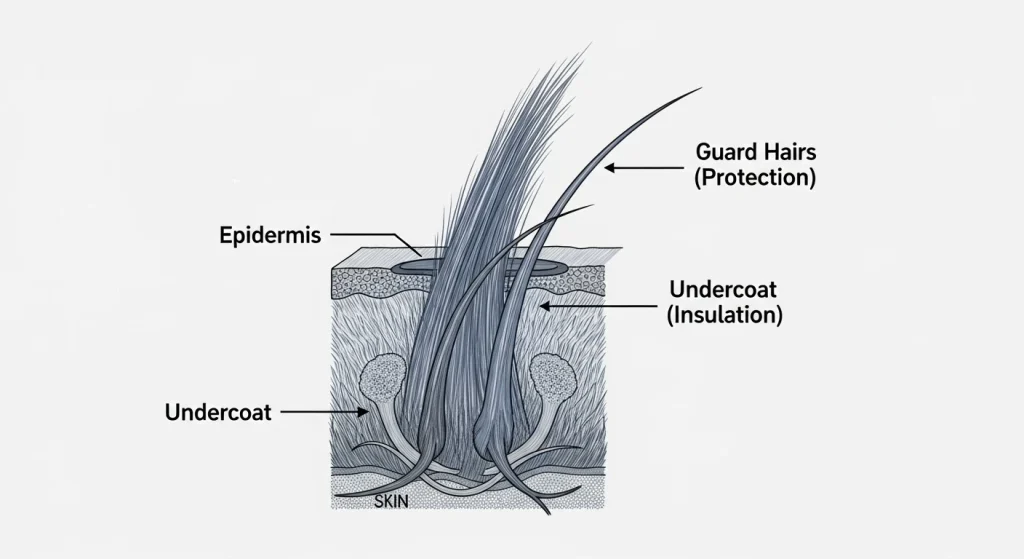
The British Shorthair possesses a dense double coat. It consists of a soft, insulating undercoat designed to keep the cat warm and a layer of thicker, longer guard hairs that protect the skin from moisture and minor injuries. This plush, “crisp” texture is unique to the cat breed. While this structure is highly effective, it also means that loose hairs from the undercoat can become trapped, leading to potential issues if not managed through regular brushing.
Typically, BSH cats experience two major shedding seasons: spring, when they lose their heavy winter undercoat, and autumn, as they prepare for new winter growth. However, due to centrally heated homes and milder winters, many BSHs shed moderately throughout the year. During peak seasons, you will need to increase brushing frequency to manage the volume of loose fur, prevent it from covering your home, and reduce the risk of your cat ingesting it and forming hairballs.
A healthy BSH coat is dense, even, and has a natural lustre. It should feel crisp and plush to the touch. Signs of potential health or grooming issues include a dull or greasy appearance, dandruff-like flakes on the skin, or excessive patchiness. While their short fur is less prone to severe tangles than long-haired breeds like Persians, neglected coats can develop uncomfortable mats, especially in less mobile or overweight cats.
A consistent grooming routine is the foundation of your BSH’s physical comfort and health. These practices are simple to incorporate into your weekly schedule and offer an excellent opportunity for bonding.
Brushing is the most critical grooming task. Aim for at least one to two sessions per week, increasing to daily during heavy shedding periods. The right tools are essential. A medium-toothed metal comb can help de tangle and reach the undercoat, while a soft slicker brush or a rubber grooming mitt is excellent for removing loose surface fur. Always brush gently in the direction of hair growth to avoid irritating the skin.
Regular nail trimming, typically every few weeks, prevents claws from becoming overgrown, which can cause discomfort and lead to them getting snagged on furniture. Use sharp, cat-specific clippers. Accustom your cat to having its paws handled from a young age. Only trim the clear, white tip of the nail, avoiding the pink “quick” which contains nerves and blood vessels.
Check your BSH’s ears weekly for signs of dirt, wax build-up, or irritation. A healthy ear interior should be pale pink and free of debris or odour. To clean, use a cotton ball or pad lightly dampened with a veterinarian-approved ear-cleaning solution. Gently wipe the visible parts of the ear, never inserting anything deep into the ear canal.
British Shorthairs can occasionally have mild eye discharge. Use a soft, damp cloth or cotton ball with plain water to gently wipe away any crust from the corners of their eyes, using a fresh part of the cloth for each eye. Their nose should be clean and free of discharge.
Most British Shorthairs will rarely, if ever, need a full bath, as they are meticulous self-groomers. Bathing is typically only necessary if they have gotten into something particularly dirty or sticky. If a bath is unavoidable, use a cat-specific shampoo, lukewarm water, and make the experience as calm and quick as possible, followed by a thorough towel dry in a warm room.
Dental hygiene is one of the most overlooked but vital aspects of a cat’s overall health. For the BSH, whose sturdy jaw is a breed hallmark, maintaining oral health is crucial for a pain-free life.
Poor dental hygiene can lead to plaque and tartar build-up, resulting in gingivitis, periodontal disease, and even tooth loss. The bacteria from dental disease can also enter the bloodstream, potentially affecting vital organs like the heart and kidneys. Proactive care prevents pain and costly veterinary procedures down the line.
The gold standard for dental care is regular brushing. Start by getting your cat used to having its mouth touched. Then, introduce a finger cot or a soft-bristled cat toothbrush with a small amount of feline-specific enzymatic toothpaste. Gently brush the outer surfaces of the teeth in a circular motion. Aim for several times a week for the best results.
If your BSH will not tolerate brushing, there are alternatives. Dental diets and treats are formulated with a texture that helps scrape away plaque. Water additives and dental gels can also help reduce bacteria. While these are beneficial, they are not a complete substitute for the mechanical action of brushing.
Be vigilant for signs of dental problems, including bad breath, red or swollen gums, drooling, difficulty eating, or pawing at the mouth. If you notice any of these symptoms, schedule an appointment with your veterinarian for a professional assessment and potential cleaning.
What you feed your British Shorthair has a direct and profound impact on their coat, skin, and overall vitality. A high-quality diet is a non-negotiable component of their maintenance.
Cats are obligate carnivores, meaning they require nutrients found only in animal products. A diet rich in high-quality, named animal protein sources (like chicken, turkey, or fish) is essential for building strong muscles and providing the amino acids necessary for a healthy, resilient coat. Check the cat food label to ensure a real protein source is the first ingredient.
Beyond protein, specific nutrients are vital for skin and fur. Omega-3 and Omega-6 fatty acids, often found in fish oil, are crucial for maintaining skin hydration and a glossy coat. Vitamins A and E and minerals like zinc also play a significant role in skin health and hair follicle function.
Proper hydration is critical for all bodily functions, including maintaining healthy skin and preventing it from becoming dry and flaky. It is also essential for kidney health, a point of consideration for the BSH breed. Encourage water intake by providing fresh water daily and considering the inclusion of wet cat food in their meal plan, which has a much higher moisture content than dry kibble.
When selecting a cat food, opt for reputable brands that invest in scientific research and have offers for BSH, specific formula. Some brands formulate their diets to provide balanced nutrition tailored to a cat’s life stage and specific needs. Whether you choose wet food, dry kibble, or a combination, prioritise quality ingredients and consult your veterinarian for recommendations.
Your regular grooming sessions are more than just maintenance; they are a frontline opportunity to monitor your cat’s health and detect problems before they become serious.
As you brush your cat, run your hands over their entire body. This allows you to feel for any unusual lumps, bumps, scratches, or sensitive areas. Part the fur to check the skin for redness, rashes, or signs of parasites like fleas. Early detection of skin issues can lead to faster and more effective treatment.
British Shorthairs are a generally robust cat breed, but they are predisposed to certain genetic health problems. The most significant of these is Hypertrophic Cardiomyopathy (HCM), a heart condition. While grooming cannot detect HCM directly, being aware of its subtle signs—such as lethargy or laboured breathing is crucial.
No amount of home monitoring can replace professional veterinary care. Annual check-ups are essential for vaccinations, preventative treatments, and professional health assessments. Your veterinarian is your most important partner in ensuring your BSH’s long-term health, providing expert advice on everything from diet to screening for breed-specific health problems.
Ultimately, grooming should be a positive, stress-free experience for both you and your cat. Start grooming routines when they are kittens to normalise the process. Keep sessions short and positive, ending with a treat or playtime. Pay attention to your cat’s body language and never force an interaction. This consistent, gentle handling not only keeps your BSH in peak condition but also deepens the trust and affection between you.