Owning Thor – Stud Cat. Guide of Care, Responsilities and Breeding
Owning a high-quality stud cat is an endeavour that combines passion, science, and profound responsibility. It is a journey that extends far beyond simply having a male cat, it’s about becoming a custodian of a breed’s future. Our stud Thor evokes an image of peak physical condition, exemplary temperament, and a distinguished pedigree the epitome of what a breeder strives for. This commitment is not to be taken lightly, as the increasing popularity of pedigree cats, particularly among younger generations, underscores the growing demand for well-bred animals.
A stud cat is the cornerstone of a serious breeding program. Stud is responsible for passing on desirable genetic traits including conformation, temperament, and health to future generations. Stud’s primary role is reproductive, and his potential impact is vast. An active stud can father numerous litters, influencing the gene pool for years to come. In fact, it’s estimated that a single stud cat can father 300 kittens in one year, illustrating the immense responsibility a breeder holds in selecting only the best males for stud’s program. His quality directly shapes the future health, appearance, and character of the breed.
A stud with high calibre requires an investment that goes far beyond that of a typical pet. Our commitment is financial, emotional, and time-intensive, having a specialised housing, high-performance nutrition, extensive health screening, and careful management of our breeding activities are all non-negotiable. Furthermore, an entire male cat exhibits hormonal behaviours, such as spraying and vocalising, that necessitate specific environmental and handling strategies. This is a lifestyle choice that reshapes your home, schedule, and priorities. Thor because was raise in house until one year old with other cats he learn to spray inside litter tray and not on the floor.
This comprehensive guide will navigate you the reader the complexities of owning a top-tier stud cat like ours. We will explore everything from deciphering a pedigree and understanding breed standards to designing the optimal living environment. We will cover detailed health and nutritional protocols, the responsibilities of managing stud behaviour, and the ethical considerations that must guide every decision. Whether you are a novice breeder or considering adding a stud to an established cattery, this article will provide you the foundational knowledge needed to ensure your stud cat thrives.
Before acquiring a stud, a deep understanding of his background, breed, and individual characteristics is essential. This knowledge forms the basis for responsible breeding decisions and ensures you are contributing positively to the breed’s development.
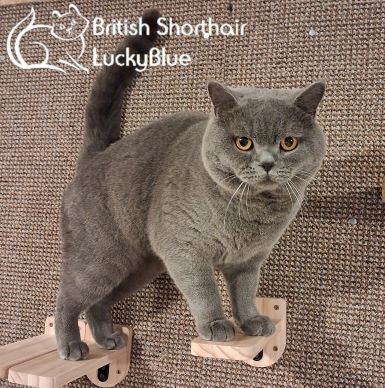
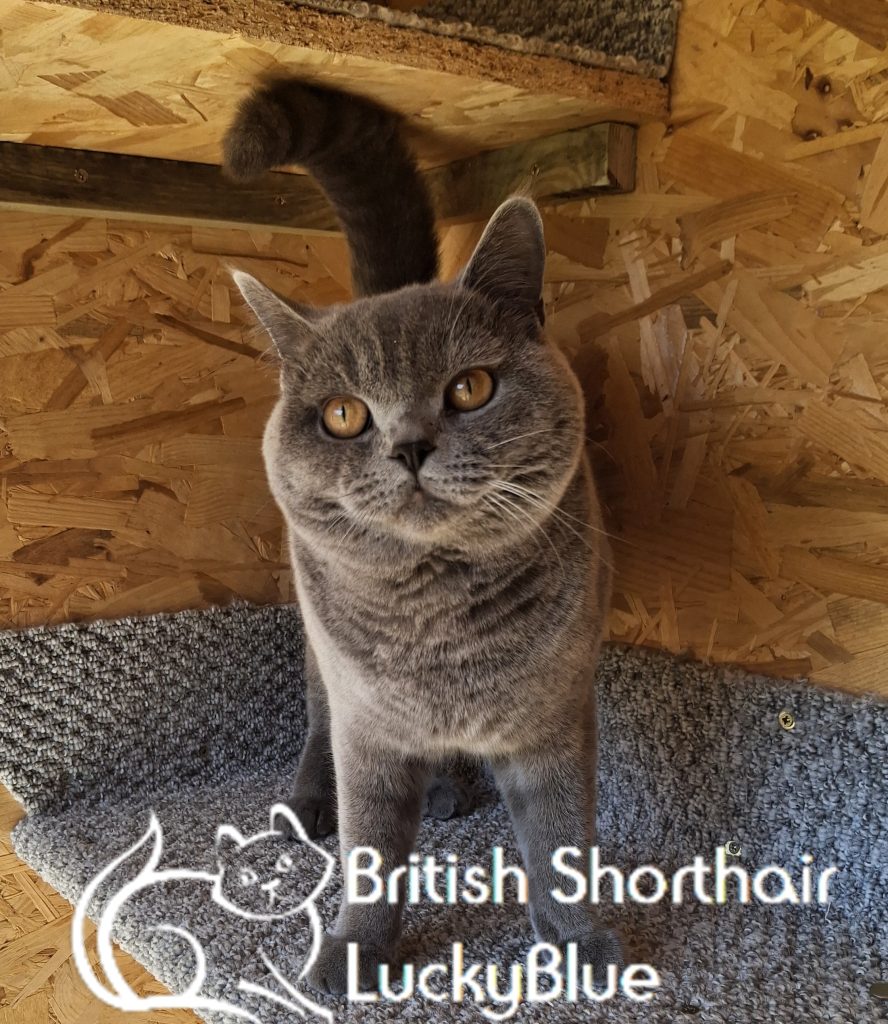
Our Stud Thor represents the ideal cat a male who is a superb example of his breed. This includes excellent conformation (how well he matches the physical breed standard), robust health confirmed by genetic screening, and a gentle, confident temperament. Thor is free from hereditary defects and possess a proven or promising lineage.
A pedigree is more than just a family tree; it is a historical record of the cat’s genetic heritage. A strong pedigree, registered with a reputable organisation like The Governing Council of the Cat Fancy (GCCF), provides invaluable information about the “line of cats” behind your stud. Pedigree allows breeder’s to trace health history, temperament traits, and show successes (such as “Best in Show” titles), helping to predict the qualities he may pass on to his litters. Understanding this lineage is fundamental to making informed breeding choices.
Every pedigree breed has a detailed standard of points that outlines the ideal physical characteristics. For a British Shorthair, this includes a cobby body, dense coat, round head, and large, round eyes. A breeder must have an intimate knowledge of the specific breed standard they work with. This includes details from the correct eye set and ear placement to the desired coat colour and texture. Conformation is not merely about beauty it is often linked to the health and function of the animal.
Temperament is a highly heritable trait and is just as important as physical appearance. Stud cat must be confident, tractable, and gentle. Stud will be handled frequently and interact with visiting female cats (Queens), so an aggressive or overly timid nature is highly undesirable. Early and thorough socialisation is key to developing a well-adjusted stud who is a pleasure to live with and a safe partner for any visiting Queen like our Thor which is very gentle and sensitive.
An entire male cat cannot typically live in a standard house pet due to hormonal behaviour like spraying. Providing a dedicated, secure, and enriching environment is one of the most critical responsibilities of a stud owner and we done for our stud Thor.
A stud requires his own separate accommodation. This space, often called a stud house or cattery, must be designed for safety, hygiene, and comfort. It needs to be constructed with materials that are easy to clean and disinfect, as hygiene is paramount in preventing the spread of disease between the stud and visiting Queens.
Options for stud housing range from converting a portion of a garage to building a stand-alone, insulated outbuilding. A key feature in any design is the “stud wall” a solid, easily cleanable barrier. This ensures security and prevents unwanted contact with other cats. The space should be large enough to allow for movement, play, and distinct areas for resting, eating, and elimination.
Proper climate control is essential for health. The housing must be well-insulated, using materials like PIR insulation board in the walls and ceiling to maintain a stable temperature. A vapour barrier is crucial to prevent dampness. The ideal temperature should be maintained between 17°C and 23°C. Safe heating, such as thermostatically controlled infrared heating, can provide warmth without creating a fire hazard. Good ventilation is also necessary to ensure fresh air and control odours.
A stud’s quarters must not be a sterile cage. Enrichment is vital for his mental and physical well-being. This includes a tall, sturdy cat tree for climbing and observing, multiple scratching posts to satisfy natural instincts, and a variety of toys. Shelves at different heights provide vertical space, and a secure window or viewing panel can offer visual stimulation.
Impeccable hygiene is non-negotiable. Litter boxes should be placed away from food and water stations and cleaned daily, with complete sanitation performed regularly. Surfaces must be non-porous to allow for effective disinfection. A strict cleaning protocol helps prevent urinary tract infections in the stud and protects visiting Queens from potential pathogens.
Safe access to fresh air and sunshine is highly beneficial. A “catio” a fully enclosed outdoor patio provides a secure way for a stud to experience the outdoors without the risk of escape or encountering other cats.
Maintaining a stud cat in peak physical condition is essential for his longevity, fertility, and overall well-being. This requires a proactive and meticulous approach to his health and diet.
A working stud has higher energy and nutrient requirements than a neutered male. He needs a high-quality, protein-rich diet to maintain muscle mass, a healthy coat, and optimal reproductive health. All food should be prepared in a clean area, like a dedicated section of the kitchen, to ensure freshness and prevent contamination. Access to fresh, clean water at all times is vital.
A robust preventative care plan is crucial. This includes staying current on all core vaccinations as recommended by a veterinarian. Annual or semi-annual health checks are necessary to monitor his weight, dental health, and overall condition. These visits also provide an opportunity to discuss his breeding schedule and any emerging health concerns with your vet.
Understanding genetics is paramount for any breeder. Before being used for breeding, a stud must be screened for all relevant genetic diseases common to his breed. For a British Shorthair, this includes testing for Polycystic Kidney Disease (PKD). Responsible breeders also test for blood type, as mating a Queen with a different blood type can be fatal to kittens.
A stud cat must be on a comprehensive, year-round parasite prevention program. This includes effective treatments for fleas, ticks, and internal parasites like roundworms and tapeworms. A strict parasite protocol is essential not only for the stud’s health but also to prevent transmitting parasites to visiting Queens and their subsequent litters.
Stud cats can be prone to specific health issues, such as “stud tail,” a condition where sebaceous glands at the base of the tail overproduce oil, leading to a greasy, matted appearance. They can also experience stress-related conditions if their environmental or social needs are not met. Vigilance and prompt veterinary attention are key.
Regular grooming keeps the coat and skin in good condition and provides an opportunity to check for parasites or skin issues. For a breed like the British Shorthair, this helps manage their dense coat. Dental health is equally important; daily brushing or specialised dental diets can help prevent painful periodontal disease, which can impact a cat’s overall health and willingness to eat.
Owning a stud cat involves a unique set of responsibilities that focus on behaviour management, ethical conduct, and a lifelong commitment to the animal’s welfare.
Entire males will mark their territory with strong-smelling urine, often referred to as “piddle” or spraying. This is a primary reason they require separate housing. They can also be very vocal, especially when a Queen is in heat nearby. These are natural, hormone-driven behaviours that cannot be trained away; they must be managed through appropriate housing and environmental design.
The core of ethical breeding is placing the animal’s welfare above all else. This means not over-breeding your stud, ensuring he is happy and healthy, and providing him with companionship and enrichment. It also means being selective about the Queens he mates with, ensuring they are also healthy and well-cared-for.
Engaging with the wider breeder community through clubs, shows, and online socials is invaluable. This network provides a support system for sharing knowledge, discussing challenges, and staying informed about the latest developments in feline health, genetics, and welfare.
Breeders must be aware of and comply with all local and national laws regarding animal welfare and housing. This can include regulations on the size and standards of catteries, licensing requirements, and codes of practice set forth by registering bodies like the GCCF. Upholding these standards is a fundamental part of responsible ownership.
A stud cat’s breeding career is finite. A responsible owner must have a clear plan for his retirement. This typically involves neutering him and integrating him into the home as a beloved pet. The transition from a working stud to a neutered male requires patience and care. This lifelong commitment ensures the cat is valued as an individual long after he stops producing litters.
Owning Thor our stud cat is a profound undertaking that demands dedication, continuous learning, and an unwavering commitment to ethical principles. It is far more than a hobby it is a stewardship of a breed’s legacy. From the meticulous design of his sanctuary to the detailed management of his health and the careful planning of his entire life, every aspect of his care we approached with professionalism and compassion. This journey requires significant investment in time, finances, and emotional energy, but the reward is immense: the satisfaction of contributing healthy, well-tempered, and beautiful cats to the breed we love, ensuring its vitality for generations to come.
Thor our gorgeous British Shorthair stud is a true Blue gem with a lineage steeped in champions. Thor start his course to be champion and his presence on shows start. Thor is GCCF registered, fully pedigree, fully vaccinated, up to date with flea and worming treatments, and regularly health checked. Thor is available for stud duties, bringing his winning genes to enhance your queen’s. Thor is certified BSHa, Blood Type b, Positive – test positive (homozygous) Positive = b#/b# (Blood type B) meaning Thor he can be mated to all type blood Females and is clear on PKD / FeLV / FIV, PRA, rdAc, Rdy, BSH Autoimmune Lymphoproliferative Syndrome clear. Bring your Queen on the second or third day of her call, ensuring she’s in heat. Before your queen arrives at our place, please make sure that she is treated for Fleas and Worms and its Nails are Trimmed. Please at the time to arrive with your queen bring for inspections vet certificate and laboratory analysis for PKD clear and FeLV and FIV (ELISA) clear. Mating certificate will be issue on collection day of your queen.