
Spaying & The Snip: Your Essential Guide to Neutering Your New Kitten
Bringing a new kitten into your home is a whirlwind of joy, purrs, and playful antics. From the first tentative steps out of their carrier to the moment they curl up on your lap, you are embarking on a deeply rewarding relationship. This new chapter, however, comes with a significant responsibility. As a new pet parent, you are your kitten’s primary advocate, caretaker, and decision-maker. One of the most crucial decisions you will make for their long-term health and happiness is choosing to spay or neuter them. This isn’t just a routine procedure; it is a foundational act of responsible pet ownership that impacts your kitten’s physical well-being, behaviour, and the wider feline community. Understanding the what, why, when, and how of this process is essential for providing the best possible start for your new companion. This guide will walk you through every step, demystifying the process and empowering you to make an informed choice for a lifetime of health and happiness.
The decision to welcome a kitten into your life opens the door to a unique and fulfilling companionship. Their playful energy, gentle purrs, and curious nature can transform a house into a home. The initial days are filled with discovery—finding their favourite sleeping spot, learning their toy preferences, and establishing a daily routine. This period is critical for bonding and setting the stage for a loving, long-term relationship. As you stock up on kitten food and set up scratching posts, you are not just preparing your home; you are preparing for a new family member who will depend on you entirely for their care, comfort, and well-being.
Becoming a pet parent is a commitment that extends far beyond providing food and shelter. It involves understanding feline needs, from proper nutrition and environmental enrichment to preventative healthcare. Your role is to be their guardian, ensuring they are safe, healthy, and happy. This includes making proactive health decisions on their behalf, such as vaccinations, parasite control, and, most importantly, sterilisation. Your kitten looks to you for everything, and your choices will directly shape the quality and length of their life. Embracing this role fully means educating yourself on all aspects of their care.
Why Spaying or Neutering is a cornerstone of Kitten Healthcare
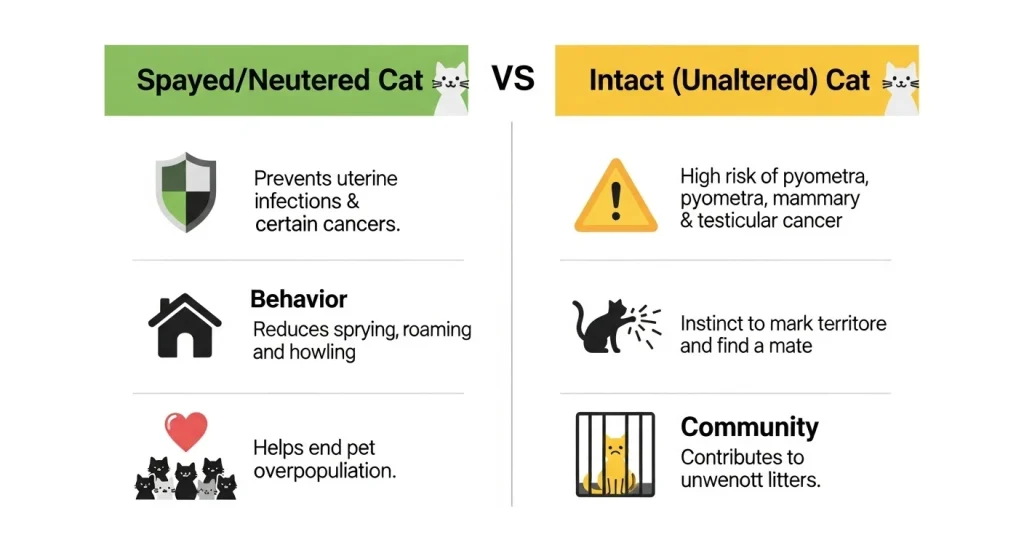
Among the many responsibilities of a new pet parent, scheduling a spay or neuter surgery is one of the most impactful. This single act of preventative care is a cornerstone of feline health management. It addresses critical health risks, mitigates common behavioural issues, and plays a vital role in combating the crisis of pet overpopulation that strains animal shelters nationwide. Far from being an optional procedure, veterinary professionals consider it an essential part of a comprehensive wellness plan. It is a proactive step that prevents a host of future problems, ensuring your kitten grows into a healthier, more contented adult cat.
The terms “spaying” and “neutering” (often colloquially called “the snip”) are frequently used but not always fully understood. Both are common surgical procedures performed by a veterinary professional under general anaesthesia with the primary goal of preventing reproduction. While they achieve the same outcome—sterilisation—the specific surgical procedure differs based on the kitten’s sex. Understanding the specifics of each can help alleviate concerns and clarify what to expect for your feline companion.
Spaying: For Your Female Feline (Ovariohysterectomy)
Spaying is the surgical sterilisation of a female kitten. The most common medical term for this procedure is ovariohysterectomy. During this surgery, the veterinarian makes a small incision in the kitten’s abdomen to remove both the ovaries and the uterus. By removing these reproductive organs, the procedure permanently prevents the cat from going into heat, becoming pregnant, and giving birth to a litter of kittens. This is a more invasive surgical procedure than neutering a male, but it is one of the most common surgeries performed in veterinary medicine and is considered extremely safe and routine.
The “Snip” (Neutering/Castration): For Your Male Feline
Neutering, or castration, is the term for the surgical sterilisation of a male kitten. This procedure is generally less complex than spaying. The veterinarian makes one or two small incisions in the scrotum and removes both testicles. The removal of the testicles eliminates the cat’s ability to produce sperm, thereby making him sterile. It also significantly reduces the production of testosterone, the hormone responsible for many mating-related behaviors. The incisions are typically very small and may be closed with sutures or surgical glue, or sometimes left to heal on their own.
Regardless of whether your kitten is male or female, the fundamental purpose of these surgical procedures is sterilisation. By removing the reproductive organs, you eliminate their ability to reproduce. This single act directly prevents the birth of unplanned litters, which is the root cause of pet overpopulation. The goal is to provide a long-term health benefit to the individual cat while also contributing to the welfare of the entire feline population. Both spaying and neutering are definitive, one-time surgeries that offer a lifetime of benefits.
The decision to spay or neuter your kitten extends far beyond simply preventing unwanted litters. This routine surgical procedure provides a wealth of significant, lifelong benefits that enhance your cat’s health, improve their behaviour, and contribute positively to the community. For pet parents, it is one of the most effective ways to ensure a longer, healthier, and happier life for their feline companion.
Sterilising your kitten offers powerful preventative health benefits. For female cats, spaying is a critical measure against serious health problems. It helps prevent uterine infections and devastating conditions like uterine cancer. Furthermore, it dramatically reduces the risk of breast tumours. According to veterinary sources, these tumours are cancerous in approximately 90% of cats.
By spaying your kitten before her first heat cycle, you can virtually eliminate this risk.
For male cats, neutering prevents testicular cancer entirely by removing the testicles. It also lowers the risk of certain prostate problems later in life. Beyond cancer prevention, neutered males are less likely to roam in search of a mate, which reduces their risk of traumatic injuries from fights with other animals or traffic accidents.
The hormonal changes that come with sexual maturity can lead to several undesirable behaviours. Neutering addresses these at their source. Unneutered male cats are driven by hormones to mark their territory by spraying strong-smelling urine throughout the home. Neutering can eliminate or significantly reduce this behaviour, especially when done before the habit is established. It also tends to decrease aggression towards other cats.
Spayed female cats will not go into heat. A female cat in heat can be very demanding, often vocalising loudly and constantly (yowling), displaying unusual postures, and attempting to escape outdoors to find a mate. This cycle can repeat every few weeks during the breeding season. Spaying eliminates these stressful cycles, leading to a calmer and more content feline companion and a more peaceful home environment for everyone.
The individual benefits to your kitten are immense, but the community-wide impact is equally profound. Pet overpopulation is a critical issue, with millions of homeless animals entering animal shelters each year. A significant portion of these animals are the result of unplanned litters.
By spaying or neutering your kitten, you become a crucial part of the solution. You ensure your pet will not contribute to the number of homeless animals, alleviating the immense pressure on animal shelters and rescue organisations. This responsible choice helps reduce the number of cats and dogs euthanised each year simply because there are not enough homes for them.
When Should You Spay or Neuter Your Kitten?
Once you’ve decided to spay or neuter your kitten, the next critical question is when to schedule the surgery. The timing of this procedure can influence its effectiveness in preventing certain behaviours and health issues, as well as ensure a smoother, faster recovery for your young feline. Consulting with your veterinarian is paramount, but understanding the general guidelines will help you prepare for this important milestone in your kitten’s life.
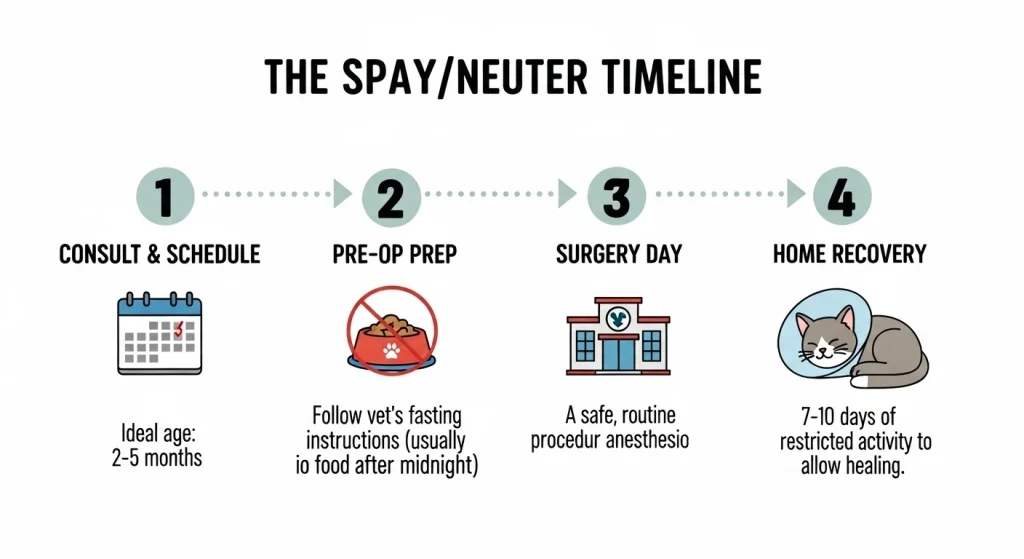
The traditional age for spaying or neutering has long been around six months. The consensus among many experts is to spay or neuter kittens by five months of age. This timing is strategic: it ensures the surgery is performed before the kitten reaches sexual maturity, which can occur as early as four or five months old. Spaying a female before her first heat cycle offers the most significant protection against mammary cancer, and neutering a male before he develops hormone-driven behaviours like spraying is most effective.
“Early-Age Neutering” and Its Benefits
Early-age or pediatrist neutering refers to spaying or neutering kittens as young as six to eight weeks of age, provided they are healthy and meet a minimum weight requirement (typically four pounds).
Studies have shown that this practice is safe and has several benefits. Younger kittens often recover more quickly from the surgical procedure and experience less post-operative discomfort than older cats. Their smaller size and less developed tissues can result in a shorter surgery time.
It is never too late to spay or neuter a cat. If you have adopted an older kitten or an adult cat whose sterilisation history is unknown, scheduling the surgery is still highly recommended. The health and behavioural benefits remain significant, even for mature felines. An adult cat can be spayed or neutered at any age, as long as they are in good health. Your veterinarian will perform a thorough pre-surgical physical exam and may recommend blood work to ensure there are no underlying health problems that could complicate anaesthesia. While the recovery might be slightly longer for an older cat compared to a young kitten, the procedure is just as important for their long-term wellness.
Your vet is your most important partner in your kitten’s health journey. Choosing the right clinic and having an open, thorough discussion about the spay or neuter procedure are critical steps. This is also the time to understand the costs involved and explore various options to make this essential care affordable. A strong relationship with your veterinary team ensures you are confident and prepared for the entire process.
Selecting a veterinarian for your kitten is a significant decision. Look for a clinic that is clean, well-organised, and staffed by compassionate and knowledgeable professionals. Recommendations from friends, family, or local rescue groups can be invaluable. Consider factors like location, hours, and emergency care availability. Most importantly, you should feel comfortable with the veterinarian and their team. They should be willing to answer all your questions without rushing you and should clearly explain their protocols for surgical procedures, including pain management and post-operative monitoring. Trust and clear communication are the foundations of excellent veterinary care.
The pre-surgery consultation is your opportunity to gather all the information you need. Don’t hesitate to ask detailed questions. Key topics to cover include
-Ask if it’s recommended or required to check for underlying health issues.
-Inquire about the type of anaesthesia used and how your kitten will be monitored during the surgery.
-Discuss what pain medications will be administered before, during, and after the procedure, and what will be sent home with you.
-Ask for a brief explanation of the ovariohysterectomy or castration.
-Get clear instructions on feeding, activity restriction, and incision care.
-Know who to call if you have concerns after hours.
This conversation will help you understand exactly what to expect and ensure you and your veterinary team are aligned on your kitten’s care plan.
The cost of spaying or neutering can vary significantly based on your location, the type of clinic, and what is included in the surgical package (e.g., blood work, IV fluids, pain medication). While a private veterinary hospital provides comprehensive care, the cost may be a concern for some pet parents. It’s important to get a detailed estimate upfront.
In the UK, the average cost of neutering a male cat is around £100. On the other hand, spaying a female cat costs about £150 on average. How much you’ll pay to neuter your cat depends on where you live in the UK. As veterinary care is more expensive in areas with the highest cost of living, they also tend to have the highest neutering costs.
Don’t let cost be a barrier for your kitten.
Preparation is key to ensuring your kitten’s spay or neuter surgery goes as smoothly as possible. This involves following your veterinarian’s pre-operative instructions precisely and setting up a comfortable environment at home for their return. A little planning can make a significant difference in minimising stress for both you and your kitten and promoting a swift, complication-free recovery.
Your veterinary clinic will provide a specific set of instructions for the night before and the morning of the surgery. The most critical of these is the fasting requirement. You will almost certainly be told to withhold all food from your kitten after a certain time the night before the surgery, typically around midnight. Water may be allowed until the morning of the procedure. This is a vital safety measure. Anaesthesia can sometimes cause nausea, and if a patient vomits while sedated, they could inhale the contents into their lungs, leading to a serious and potentially fatal condition called aspiration pneumonia. Following these fasting rules exactly is non-negotiable for your kitten’s safety.
While your kitten is at the veterinary hospital, take the time to prepare a dedicated recovery area. This space should be quiet, comfortable, and isolated from other pets or young children. A small room like a bathroom or a large crate lined with soft, clean blankets works well. The goal is to restrict your kitten’s activity. Jumping, running, and rough play are strictly forbidden during the recovery period as they can stretch or tear the incision.
Ensure the space has easy access to a clean litter box, fresh water, and a small amount of food. Remove any tall cat trees or furniture that might tempt them to jump. By creating this safe haven ahead of time, you can bring your kitten directly to their recovery zone upon returning home, minimising stress and ensuring they can rest undisturbed.
For many pet parents, the thought of their kitten undergoing surgery can be nerve-wracking. Understanding what happens behind the scenes at the veterinary hospital can help demystify the process and provide reassurance. Spay and neuter operations are among the most routine surgical procedures performed, and veterinary teams follow strict protocols to ensure the highest standards of safety and care from drop-off to pick-up.
On the morning of the surgery, you will bring your kitten to the clinic at a scheduled drop-off time. A veterinary technician or assistant will go over the day’s plan, confirm your contact information, and have you sign a consent form authorising the procedure. This is a final opportunity to ask any last-minute questions. After you leave, your kitten will be taken to a comfortable, secure kennel where they will rest before their pre-surgical examination. The veterinary team will ensure they are calm and safe while awaiting their turn for surgery.
Before the surgery begins, the veterinarian will perform a physical exam to ensure your kitten is healthy enough for anaesthesia. A pre- anaesthesia sedative and pain medication are typically administered to help them relax. Anaesthesia is then induced, and once your kitten is asleep, a breathing tube may be placed to protect their airway and deliver a precise mixture of oxygen and anaesthetic gas.
Throughout the entire surgical procedure, your kitten’s vital signs are meticulously monitored by a trained veterinary technician. This includes tracking their heart rate, respiratory rate, blood pressure, oxygen levels, and body temperature. This constant monitoring is a critical safety measure that allows the team to make immediate adjustments to the anaesthesia if needed, ensuring your pet remains stable and safe while unconscious.
Once the kitten is safely under anaesthesia and the surgical site has been shaved and sterilised, the veterinarian begins the operation. For a male neuter (castration), a small incision is made over the scrotum to remove the testicles. For a female spay (ovariohysterectomy), the incision is made on the abdomen to access and remove the uterus and ovaries. The veterinarian uses sterile instruments and techniques to perform the surgery efficiently. After the reproductive organs are removed, the incision is closed with multiple layers of sutures. Some sutures may be absorbable (dissolving on their own), while others on the skin may need to be removed 10-14 days later.
Surgery is not complete until the patient is awake. After the final stitch is placed, the anaesthetic gas is turned off, and your kitten is moved to a quiet, warm recovery area. They are continuously monitored by the veterinary team as they begin to wake up from anaesthesia. Staff will check on them frequently, ensuring they are comfortable, warm, and recovering smoothly. Once they are awake enough to swallow properly, their breathing tube is removed. They will remain under observation for several hours to ensure there are no immediate post-operative complications before they are cleared to go home later that day.
The success of the surgery extends beyond the operating room; your care at home during the 10-14 day recovery period is crucial for a smooth and complication-free healing process. Your primary roles are to manage their pain, restrict their activity, monitor the incision site, and prevent them from licking or chewing at their stitches. Following your veterinarian’s discharge instructions to the letter is the most important thing you can do to support your kitten’s recovery.
Your veterinarian will send your kitten home with pain medication. It is essential to administer this exactly as prescribed, even if your kitten seems comfortable. Cats are masters at hiding pain, and proper pain management is vital for their comfort and healing. Never give your kitten any human pain relievers, as many are toxic to felines.
Perhaps the most challenging aspect of post-operative care is activity restriction. For the next 10 to 14 days, your kitten must be kept calm. This means no running, jumping, or rough housing. Confining them to a small room or a large crate when you cannot directly supervise them is the best way to enforce this.
You will need to check the surgical incision at least once or twice a day. Look for signs of infection, such as excessive redness, swelling, discharge, or an unpleasant odour. Mild redness and slight swelling are normal for the first few days, but anything that looks concerning should be reported to your vet immediately.
It is absolutely critical to prevent your kitten from licking or chewing the incision. Their tongue is rough and can introduce bacteria, leading to infection and pulling out stitches. This is where the infamous “cone of shame,” or Elizabethan collar, comes in. Your kitten will likely dislike the collar, but it is a non-negotiable tool for their safety. Ensure the collar stays on at all times unless you are directly supervising them. Soft cones or surgical recovery suits are available as alternatives that some cats tolerate better.
For the first day or two, your kitten may have a reduced appetite. Offer a small meal of their regular kitten food when you get home. Anaesthesia can cause nausea, so don’t be alarmed if they aren’t immediately hungry. Ensure fresh water is always available. Their litter box should be clean and easily accessible in their recovery space. Some vets recommend using shredded paper instead of traditional litter for a few days to prevent dust or granules from getting into the incision.
Finally, know when to call for help. Contact your veterinarian immediately if you notice any of the following: lethargy or depression, refusal to eat for more than 24 hours, vomiting or diarrhoea, difficulty urinating, or any significant changes to the surgical site. Your diligent care during this period is the final, essential step in the spay/neuter process.
Choosing to spay or neuter your new kitten is a profound act of love and one of the most important healthcare decisions you will make as a pet parent. This single, routine surgical procedure provides a lifetime of benefits, safeguarding your feline companion from serious health problems like uterine infections and certain types of cancer, while also promoting a calmer, more stable temperament. By preventing unwanted behaviours such as spraying and yowling, you create a more harmonious home for both you and your pet.
By taking this responsible step, you are investing in your kitten’s long-term health and well-being.
You are setting the foundation for a long, happy, and healthy life together.
