
Pregnant Cat Giving Birth: Your Complete Guide to Labor, Delivery & Kitten Care
The pitter-patter of tiny paws is one of life’s most delightful sounds, and for cat owners, the prospect of a new litter can be incredibly exciting. Witnessing the birth of kittens is a profound experience, but it also brings a significant responsibility. This comprehensive guide is designed to equip you with the knowledge and confidence needed to navigate the journey of feline pregnancy, labor, delivery, and the critical early stages of kitten care. Whether you’re an experienced cat breeder or a first-time guardian of a pregnant feline, understanding the process, recognising potential issues, and knowing when to seek professional help are paramount. With approximately 10.2 million owned cats in the UK, a slight fall from 10.6 million in 2024, more exactly 66% of households own one cat and 34% own two or more cats meaning almost one in four households (24%) own a cat, down from 25% in 2024. On 2024 for the first time, for cats acquired over half are pedigrees (51%). The proportion of the total pet cat population that is ‘bought’ has continued to increase, 38% in 2025 from 34% in 2024.
The demand on reliable information on feline reproduction and care is higher than ever. This guide will demystify each stage, from confirming pregnancy to ensuring the healthy development of your new feline family members, providing you with the essential support to ensure a positive outcome for both the mother cat, known as the queen, and her precious kittens.
Embarking on the journey of feline pregnancy requires preparation and a thorough understanding of the physiological and behaviour changes your pregnant cat will undergo. This initial phase is crucial for ensuring the health and well-being of both the mother and her developing litter.
The first step after suspecting your cat is pregnant is confirming it. Physical signs of a pregnant cat can emerge a few weeks into gestation. These may include:
Nipples: The queen’s nipples may become enlarged and more prominent, a sign known as “pinking up,” typically visible around four weeks into the pregnancy.
Appetite Changes: Many pregnant cats experience an increased appetite as their pregnancy progresses, though some may have a temporary decrease in appetite or even experience mild vomiting in the early stages, akin to “morning sickness.”
Behavioural Shifts: A pregnant cat might become more affectionate and seek more attention, or conversely, she may become more reclusive and seek quiet solitude.
Weight Gain: Gradual weight gain is a natural indicator, though significant or rapid weight gain should be discussed with a veterinarian.
Abdominal Enlargement: The abdomen will visibly enlarge as the fetuses grow, becoming more apparent in the later stages of pregnancy.
A veterinarian can definitively confirm a cat pregnancy through a physical examination, palpation of the abdomen, and potentially diagnostic tests such as ultrasound or X-rays, which can also help estimate the number of kittens. The average feline gestation period lasts approximately 63 to 69 days or roughly nine weeks from conception. Understanding this time frame is vital for anticipating the due date and preparing accordingly.
Providing optimal prenatal care is essential for a healthy pregnancy and delivery. Once pregnancy is confirmed, consult your veterinarian to establish a care plan.
Nutrition: The queen’s dietary needs will increase significantly during pregnancy and lactation. High-quality, protein-rich cat food, often a kitten formula or a specially formulated “pregnancy and nursing” diet, is recommended. This provides the extra calories, vitamins, and minerals necessary to support fetal development and maintain her health.
Veterinary Check-ups: Regular veterinary visits are crucial for monitoring the queen’s health and the progress of the pregnancy. Your veterinarian can screen for any underlying health issues, discuss parasite control (ensuring any treatments are safe for pregnant cats), and offer advice on nutrition and potential complications.
Stress Reduction: The pregnant cat needs a calm and stable environment. Minimise stress by maintaining her regular routine as much as possible, avoiding loud noises or sudden changes, and ensuring she has a safe, quiet space to rest.
As the due date approaches, the queen will instinctively begin to prepare a safe and secluded place for birth. This natural behaviour is known as nesting. Providing an appropriate “Nesting Box” is one of the most critical preparations you can undertake.
The ideal nesting box should be:
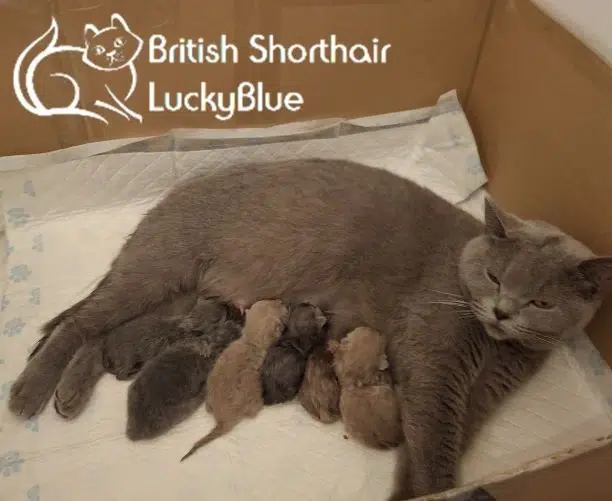
Enclosed and Safe: A sturdy “cardboard box” with high sides is an excellent choice. It provides a sense of security and privacy. Ensure it’s large enough for the queen to stretch out comfortably, turn around, and for the kittens to huddle together.
Warm and Draft-Free: Cats seek warmth for their newborns. Place the box in a quiet, warm room away from drafts and high traffic areas. A temperature of around 70-80°F (21-27°C) is generally suitable.
Accessible: While enclosed, the queen must be able to easily enter and exit the box. You might need to cut an entry/exit hole in the side of a cardboard box.
Lined with Soft Bedding: Use clean, soft, and absorbent materials such as old towels, blankets, or unscented paper bedding. Avoid materials that can easily unravel and pose a choking hazard. Regularly change the bedding to maintain hygiene.
Being prepared with a “kittening kit” will allow you to respond effectively should any assistance be needed during the birthing process. Having these items readily available can reduce stress and ensure you are equipped to handle most situations.
Your essential kittening kit should include:
Clean Towels: For drying kittens and cleaning the birthing area.
Disposable Gloves: To maintain hygiene if you need to handle the mother or kittens.
Sterile Scissors: For cutting the Umbilical Cord if necessary.
Dental Floss or Surgical Thread: For tying off the Umbilical Cord if the mother doesn’t do it sufficiently.
Antiseptic Wipes (Veterinarian Approved): For cleaning the Umbilical Cord stump.
Heating Pad or Rice Sock: A safe, low-heat source to keep newborns warm (always use with a towel barrier to prevent burns).
Kitten Milk Replaces and Feeding Bottles/Syringes: For supplementing or hand-feeding kittens if they struggle to nurse.
Small Scale: To monitor kitten weight gain.
Notebook and Pen: To record birth times, kitten details (sex, weight, appearance), and any observations.
Contact Information: Your veterinarian’s phone number and an emergency veterinary clinic number.
Feline labor is typically divided into three distinct stages. Understanding these stages will help you monitor your queen’s progress and recognise when birth is imminent, progressing normally, or when intervention might be required.
Stage 1 of labor can be the longest and is characterised by preparatory changes as the queen’s body gets ready for birth. This stage can last anywhere from 12 to 24 hours, and sometimes longer, especially for first-time mothers.
Common signs of Stage 1 labor include:
Restlessness and Nesting: The queen will become increasingly restless, pacing, searching for her nesting box, and rearranging bedding.
Vocalization: She may vocalize more frequently, meowing or purring in what appears to be discomfort or anticipation.
Grooming: Excessive grooming, particularly of the genital area, is common.
Panting or Heavy Breathing: Some queens may pant lightly, especially during stronger contractions.
Decreased Appetite: She may lose interest in food or eat very little.
Temperature Drop: A significant indicator is a drop in rectal temperature. A normal cat temperature is around 100.5°F to 102.5°F (38°C to 39.2°C). A drop to below 100°F (37.8°C) often signals that labor will begin within 12 to 24 hours.
Vaginal Discharge: A clear or slightly mucus-like vaginal discharge may be observed.
During this stage, it’s best to provide a quiet environment and avoid unnecessary handling. Your presence and calm demeanour can offer crucial “support.”
Stage 2 is when the kittens are actually born. This is a critical phase characterised by visible “contractions” and the delivery of each “Kitten.” The queen will likely lie down, often in her nesting box, and begin to strain.
Contractions: You will observe abdominal muscular contractions, which may appear as visible ripples or hardening of her belly. These contractions push the kittens through the birth canal.
Straining: The queen will bear down with her abdominal muscles. This may occur in waves.
Kitten Presentation: Kittens can be born head-first or hindquarters first. Both are considered normal presentations. The amniotic sac, a membrane surrounding the kitten, may break before or during delivery, appearing as a watery “vaginal discharge.”
Delivery Intervals: Once active straining begins, the first kitten is typically delivered within 30 “minutes” to an hour. Subsequent kittens usually arrive every 5 to 30 “minutes.” However, there can be longer breaks, sometimes two hour and maximum aloud is tree hours, between kittens, especially if the queen is resting. If the queen is straining forcefully and continuously for more than 30 “minutes” without delivering a kitten, or if there is a prolonged break between kittens with no signs of labor, it may indicate a “problem.”
Mother’s Actions: The queen will typically break the amniotic sac around the kitten, lick it vigorously to stimulate breathing and clear its airways, and then chew through the Umbilical Cord.
Stage 3 of labor involves the passage of the “Placenta” (afterbirth). For each kitten delivered, a “Placenta” should follow. The queen will usually eat the “Placenta,” which is a normal behaviour. This provides her with nutrients and helps clean the birthing area.
Timing: The “Placenta” typically passes within 5 to 15 “minutes” after each kitten.
Monitoring: It’s important to count the placentas to ensure that one is passed for each kitten. Retained placentas can lead to serious post-partum complications for the queen, such as infection or metritis. If you suspect a retained “Placenta,” contact your “veterinarian.”
Fetal Membranes: The queen will usually remove the fetal membranes surrounding the placenta.
While cats are generally adept at giving birth naturally, owners can play a vital role by providing a safe environment and being prepared to offer gentle assistance when necessary. Observing carefully and intervening only when needed is key to a successful delivery.
Your primary role during delivery is to be an observant and calm presence, offering “support.” Avoid interfering unless there are clear signs of distress or a deviation from normal.
When to Intervene:
Kitten Stuck: If a kitten appears to be delivered but is partially stuck in the birth canal and the queen is straining without progress for more than 5-10 “minutes,” you might gently try to assist by pulling in the direction of the birth canal, but only if you can get a good grip and the queen is cooperating. Excessive force can cause injury to both mother and kitten.
No Breathing: If a kitten is born and is not breathing or stimulating itself, you may need to intervene. Gently rub the kitten with a clean, dry towel to stimulate breathing. You can also try dangling it head-down for a few seconds to help clear fluid from its airways, followed by immediate resuscitation attempts.
Mother Overwhelmed: If the queen seems exhausted or distressed and is not attending to a newborn kitten, you may need to step in to clear its airway or stimulate it.
When NOT to Intervene:
Normal Straining: Do not interrupt normal straining or periods of rest between kittens.
Mother Eating Placenta: Allow the queen to eat the placentas; this is normal and beneficial.
Mother Cleaning Kittens: Let the queen perform her natural cleaning and stimulation of the newborns.
Always err on the side of caution. If you are unsure or concerned, it is always best to “call” your “veterinarian.”
The Umbilical Cord connects the developing fetus to the placenta and provides nutrients and oxygen. After a kitten is born, the queen will typically sever the “cord” herself by chewing it.
Normal Process: The remaining portion of the Umbilical Cord stump on the kitten is usually short. The queen will lick it clean, and it will naturally dry up and fall off within a few days.
Intervention: If the queen fails to sever the “cord,” or if it’s excessively long (more than an inch or two), you may need to intervene. Using sterile scissors, cut the “cord” about an inch away from the kitten’s belly.
Ligation: To prevent bleeding, you can tie off the “cord” firmly about half an inch from the kitten’s body using dental floss or sterile surgical thread.
Antiseptic: After cutting and tying the “cord,” gently clean the stump with a veterinarian-approved antiseptic wipe. Observe the stump for any signs of swelling, redness, or discharge, which could indicate infection. A “problem” with the “cord” can lead to serious health issues for the “Kitten.”
Once a kitten is born, the queen’s instincts usually guide her to clean it, sever the Umbilical Cord, and encourage it to nurse. It’s important to ensure this process happens for every kitten.
Stimulate Nursing: Encourage each newborn kitten to find the queen’s teats and begin nursing as soon as possible. Colostrum, the first milk produced by the queen, is rich in antibodies and essential for the kitten’s immunity and energy.
Monitor Nursing: Observe that each kitten is actively nursing. Kittens that are weak, cold, or struggling may need assistance to latch on.
Check for Placentas: As mentioned, ensure a “Placenta” is delivered after each “Kitten.” This helps prevent uterine infections.
Keep Warm: Newborn kittens cannot regulate their own body temperature and are susceptible to hypothermia. Ensure they remain close to the mother and in a warm environment.
The hours and days immediately following birth are critical for both the queen and her newborn kittens. This period focuses on recovery, establishing feeding, and ensuring the well-being of the entire litter. The queen’s body undergoes significant changes after giving birth and requires careful monitoring to ensure a smooth recovery.
Monitoring Bleeding: Some “vaginal discharge” is normal for a few weeks after birth as the uterus returns to its non-pregnant state. This discharge is typically bloody and decreases in amount over time. However, excessive bleeding, a foul odour, or signs of fever can indicate a serious post-partum “problem” and warrant an immediate “call” to your “veterinarian.”
Appetite and Thirst: The queen will likely be hungry and thirsty after labor. Ensure she has access to fresh water and her high-quality food. Her caloric needs will be very high during lactation.
Behavior: She should be attentive to her kittens, grooming them, and allowing them to nurse. Lethargy, disinterest in kittens, or aggressive behaviour may signal a “problem.”
Mammary Glands: Check her teats for any signs of redness, swelling, heat, or pain, which could indicate mastitis (infection of the mammary glands). This requires prompt veterinary attention.
The first 24 to 48 hours are the most vulnerable period for newborn kittens. Their survival depends on warmth, nutrition, and stimulation.
Warmth: As previously mentioned, kittens are unable to maintain their own body temperature. The “Nesting Box” should be kept consistently warm, ideally between 85-90°F (29-32°C) for the first week, gradually decreasing to room temperature by week four. A safe heat source, like a snuggle safe disc or a properly covered heating pad on its lowest setting, is often necessary, especially if the mother cat leaves the kittens for brief periods. Never place kittens directly on a heating pad, as burns can occur.
Nutrition: Ensure each kitten is nursing effectively. Healthy kittens will have a rounded belly after feeding and will be content. Monitor kittens for signs of hunger, such as restless meowing or rooting behaviour. If a kitten is weak or not nursing, you may need to supplement with a kitten milk replace and a specialised kitten bottle or syringe. Hand-feeding requires patience and careful technique to avoid aspiration.
Stimulation for Elimination: Kittens are born unable to urinate or defecate on their own. The queen stimulates them by licking their anal and genital areas. If the queen is unable to do so, or if you are hand-rearing, you will need to gently stimulate each kitten after each feeding using a warm, damp cloth or cotton ball.
Weight Monitoring: Weighing kittens daily for the first few weeks is a crucial indicator of their health. Healthy kittens should gain weight consistently, usually about 10-15 grams per day. A kitten that is not gaining weight or is losing weight requires immediate veterinary attention.
Vigilance is key to identifying and addressing potential issues in newborns.
Hypothermia: Signs include lethargy, cold to the touch, weak cries, and lack of nursing. Immediate warming is critical.
Hypoglycaemia: Low blood sugar can occur in weak or undernourished kittens. Symptoms include shivering, weakness, and unresponsiveness. Prompt feeding (either from the mother or via a glucose solution administered by a vet) is necessary.
Dehydration: Signs include sunken eyes, dry gums, and loss of skin elasticity. This often requires veterinary intervention with subcutaneous fluids.
Fading Kitten Syndrome: This is a broad term for a kitten that appears healthy initially but rapidly declines, becoming weak, unresponsive, and eventually dying. The causes are varied and often difficult to pinpoint. Early detection and prompt veterinary care are vital, though unfortunately, success rates can be low.
As the kittens grow, their needs evolve, and your role shifts towards fostering their development, health, and socialisation.
The first eight weeks are a period of rapid growth and development. Understanding these milestones helps you track progress and identify any potential developmental delays.
Week 1: Kittens are completely dependent on their mother. Their eyes and ears are closed. They sleep and nurse, and you stimulate their elimination.
Week 2: Eyes begin to open, usually between 8-12 days. Their vision will be blurry initially. Their sense of smell develops.
Week 3: Ears begin to open. They start to crawl and take wobbly steps. They may begin to respond to sounds.
Week 4: Kittens become more mobile and playful. They start to explore their surroundings. Their vision and hearing are well-developed. They may begin to show interest in solid food.
Week 5: Weaning typically begins. Introduce a high-quality wet kitten food or specially formulated gruel. They will continue to nurse but rely more on solid food. Social play becomes more vigorous.
Week 6: Kittens are becoming more coordinated and adept at playing and interacting. They should be eating solid food well and learning to use a litter box with guidance from their mother or through your training.
Week 7-8: Kittens are almost fully weaned and eating solid food readily. Their personalities are emerging. They are highly active, curious, and engaged in play. This is a critical period for socialisation.
Maintaining a clean environment and monitoring for health issues are paramount throughout this developmental phase.
Litter Box Training: Start introducing a litter box once the kittens are mobile. Kittens naturally gravitate towards soft surfaces for elimination. Place them in the box after waking up and after meals. Clean the litter box daily.
De-worming and Flea/Tick Prevention: Consult your veterinarian about a de-worming schedule, as intestinal parasites are common in kittens. They can also advise on safe flea and tick prevention methods.
Vaccinations: Kittens typically receive their first vaccinations at 8 weeks of age. Your veterinarian will outline the appropriate vaccination protocol. Second vaccinations is at 12 weeks of age.
Hygiene: Keep the kittens’ living area clean, including their bedding and food/water bowls. Handle kittens gently and wash your hands before and after handling them to prevent the spread of disease.
The period between 2 and 8 weeks of age is critical for socialisation. Kittens learn crucial social skills from their mother and littermates, and positive interactions with humans during this time are vital for developing into well-adjusted adult cats.
Interaction with Mother and Siblings: The queen teaches kittens essential behaviours like hunting, grooming, and social interaction. Littermates provide practice for play fighting, communication, and establishing social hierarchies.
Human Interaction: Handle kittens daily. Gentle petting, playing with safe toys, and allowing them to explore their environment under supervision helps them become comfortable with people. Positive experiences now will contribute to a more confident and less fearful adult cat.
Introduction to New Environments/People: As they approach 8 weeks, if they are to be re-homed, gradual and controlled introductions to new people and environments can begin.
While most cat births are uneventful, it’s crucial to be prepared for potential complications. Early recognition and prompt veterinary intervention can significantly improve outcomes for both the queen and her kittens.
Dystocia refers to difficulty giving birth. It can be caused by problems with the mother’s “uterus” (e.g., uterine inertia), issues with the kittens (e.g., oversized fetuses, abnormal positioning), or obstructions in the birth canal.
Signs of dystocia include:
Prolonged Stage 1 Labor: More than 12-24 hours of restlessness and contractions without active pushing.
Active Straining Without Progress: The queen strains forcefully for more than 30 “minutes” without delivering a kitten.
Resting Between Straining: If the queen stops straining and appears exhausted.
Dark Red or Bloody Vaginal Discharge: Especially if accompanied by distress.
Visible Kitten Stuck: If a kitten is partially visible but not progressing.
Lethargy or Weakness: The queen becomes unresponsive or weak.
Emergency Actions: If you suspect dystocia, do not delay. “Call” your “veterinarian” or an emergency veterinary clinic immediately. They may recommend bringing the queen in for examination and potential interventions such as manual manipulation, medication to stimulate contractions, or even Caesarean section.
After delivery, the queen can experience several post-partum complications.
Metritis/Endometritis: Infection of the uterus, often due to retained placental tissue or bacteria introduced during birth. Signs include foul-smelling vaginal discharge, fever, lethargy, and loss of appetite. This is a serious condition requiring immediate veterinary care.
Mastitis: Inflammation and infection of the mammary glands. Affected glands will be hot, swollen, firm, and painful. Kittens may refuse to nurse from affected teats, and the queen may show signs of fever and pain. Prompt veterinary treatment is necessary.
Eclampsia (Milk Fever): A rare but serious condition caused by a sudden drop in blood calcium levels, often occurring when milk production is high. Signs include muscle tremors, twitching, seizures, and disorientation. This is a medical emergency requiring immediate veterinary intervention.
Newborn kittens are fragile and susceptible to various issues.
Congenital Abnormalities: Some kittens may be born with birth defects affecting their heart, limbs, or other organs.
Fading Kitten Syndrome: As discussed earlier, this is a critical condition where kittens rapidly decline.
Failure to Thrive: Kittens that are not growing adequately, even with proper care, may have underlying issues.
Infectious Diseases: Kittens can contract infections from their mother or their environment.
Immediate veterinary consultation is crucial in the following situations:
Suspected Dystocia: Prolonged, difficult, or unproductive labor.
Excessive or Foul-Smelling Vaginal Discharge: Particularly if accompanied by lethargy or fever.
Signs of Severe Pain or Distress in the Queen: Whining excessively, extreme restlessness, or collapse.
No Kitten Born After Active Straining for 30 Minutes.
Long Intermission Between Kittens (Over 2 hours maximum 3 hour) with no signs of labor.
Kitten Born Non-Vigorous and Not Breathing.
Retained Placenta Suspected.
Signs of Mastitis or Eclampsia in the Queen.
Any Kitten Exhibiting Severe Lethargy, Coldness, or Refusal to Nurse.
Weight Loss or Failure to Gain Weight in Newborn Kittens.
The birthing process marks the beginning of a new chapter. Ensuring the long-term health of the mother and kittens, and embracing responsible pet ownership, are integral to this phase.
Approximately 24-48 hours after birth, and again when kittens are 6-8 weeks old, a veterinary check-up is highly recommended.
For the Queen: The veterinarian will assess her recovery, check her mammary glands and uterus, and ensure she is producing milk and is in good health. They can also address any concerns about her behaviour or appetite.
For the Kittens: This check-up is crucial for assessing the health of each kitten. The veterinarian will examine them for any abnormalities, check their weight gain, and discuss the vaccination and de-worming schedule. This is also the time to discuss microchipping and spaying/neutering.
Responsible pet ownership includes preventing unwanted litters. Spaying (females) and neutering (males) are vital procedures.
Preventing Overpopulation: Uncontrolled breeding contributes significantly to pet overpopulation, leading to overcrowded shelters and euthanasia.
Health Benefits: Neutering males reduces the risk of testicular cancer and prostate problems and decreases roaming and fighting behaviours. Spaying females eliminates the risk of uterine and ovarian cancers, prevents pyometra (a life-threatening uterine infection), and reduces the likelihood of mammary tumours.
Timing: Kittens can often be spayed or neutered as early as 12 weeks of age. Discuss the optimal timing with your veterinarian.
If you are not planning to keep the entire litter, finding suitable, loving homes is a significant responsibility.
Start Early: Begin planning for new homes well in advance of the kittens being ready to leave their mother (typically around 13–15 weeks old).
Screen Potential Adopters: Be diligent in screening potential adopters to ensure they understand the commitment of cat ownership, can provide a safe and loving environment, and are prepared for the financial costs.
Consider Adoption Agencies: Local animal shelters and rescue organisations can be valuable resources for re-homing kittens, offering adoption services and ensuring kittens go to responsible owners.
Navigating the journey of a pregnant cat giving birth and caring for newborn kittens is a rewarding yet demanding experience. From understanding the nuances of feline “pregnancy” and the “gestation” period to meticulously preparing the “Nesting Box” and assembling your “kittening kit,” proactive preparation is key. The stages of feline labor—pre-labor, active labor with its discernible “contractions,” and the passing of the “Placenta”— require calm observation and knowing when to offer gentle “support.” Immediate post-delivery care for both the queen and her precious “Kitten”s, focusing on warmth, nutrition, and stimulation, lays the foundation for healthy development. By following week-by-week milestones, maintaining rigorous health and hygiene, and prioritising socialisation, you guide these tiny lives through their critical first eight weeks. Crucially, recognising signs of potential complications, understanding when a difficult birth (“problem”) necessitates an emergency “call” to your “veterinarian,” and managing post-partum issues ensures the well-being of all involved.
Embracing responsible pet ownership, including spaying and neutering to prevent future unwanted litters, and diligently finding loving homes for kittens, completes this cycle of care. This comprehensive guide aims to empower you with the knowledge to support your feline companion and her new family, fostering a successful and joyous transition into life.